

Hey there! As a check valve supplier, I often get asked about different types of check valves. One that comes up quite a bit is the diaphragm check valve. So, let's dive into what a diaphragm check valve is, how it works, and where it's used.
What is a Diaphragm Check Valve?
A diaphragm check valve is a type of one - way valve. It's designed to allow fluid (that can be a liquid or a gas) to flow in only one direction. The key component of this valve is the diaphragm. The diaphragm is a flexible membrane, usually made from materials like rubber, elastomers, or sometimes even metal in more specialized applications.
This valve has a simple yet effective design. It consists of a valve body, the diaphragm, and sometimes a seat. When the fluid flows in the correct direction, it exerts pressure on the diaphragm. This pressure causes the diaphragm to flex or move away from the seat, creating an opening. As a result, the fluid can pass through the valve.
On the other hand, when the fluid tries to flow in the reverse direction, the pressure pushes the diaphragm back against the seat. This seals the valve shut, preventing the backflow of the fluid. It's like a little gatekeeper for your fluid systems, making sure everything goes where it's supposed to.
How Does it Work?
Let's break down the working process of a diaphragm check valve step by step.
-
Forward Flow: When the fluid approaches the valve from the inlet side, it has a certain pressure. This pressure acts on the diaphragm. If the pressure is high enough, it overcomes the natural resistance of the diaphragm. The diaphragm then deforms or moves, creating a passage for the fluid to flow through the valve and out of the outlet.
-
Reverse Flow Prevention: As soon as the fluid tries to flow back in the opposite direction, the pressure on the diaphragm changes. The reverse pressure forces the diaphragm to return to its original position or press firmly against the seat. This creates a tight seal, and the valve closes. This way, the fluid can't flow back, protecting your system from potential damage caused by backflow.
Advantages of Diaphragm Check Valves
There are several reasons why diaphragm check valves are popular in many industries.
- Leak - Tightness: These valves provide excellent leak - tightness when closed. The flexible diaphragm can conform to the seat, creating a very effective seal. This is crucial in applications where even a small amount of backflow can cause problems, like in chemical processing plants.
- Low Pressure Drop: When the valve is open and the fluid is flowing in the correct direction, the diaphragm offers relatively low resistance. This means that there's not much of a pressure drop across the valve. So, your system doesn't have to work as hard to push the fluid through.
- Simple Design: The design of a diaphragm check valve is relatively simple compared to some other types of check valves. This simplicity makes them easy to install, maintain, and repair. You don't need a lot of specialized tools or knowledge to work on them.
- Corrosion Resistance: Since the diaphragm can be made from a variety of materials, it's possible to choose a material that's resistant to corrosion. This makes diaphragm check valves suitable for use in corrosive environments, such as in the food and beverage industry or in wastewater treatment plants.
Applications of Diaphragm Check Valves
Diaphragm check valves are used in a wide range of industries and applications.
- Water Treatment: In water treatment plants, these valves are used to prevent the backflow of treated water into the untreated water supply. They also help in maintaining the proper flow direction in filtration systems and chemical dosing lines.
- Chemical Processing: Chemicals can be very corrosive and dangerous. Diaphragm check valves made from corrosion - resistant materials are used to control the flow of chemicals and prevent backflow, which could lead to dangerous reactions or contamination.
- Food and Beverage Industry: Hygiene is of utmost importance in this industry. Diaphragm check valves can be made from food - grade materials, and their smooth surfaces are easy to clean. They're used in processes like filling, bottling, and pasteurization to ensure proper flow and prevent cross - contamination.
- HVAC Systems: In heating, ventilation, and air - conditioning systems, diaphragm check valves are used to control the flow of refrigerant and water. They help in maintaining the efficiency of the system and prevent the backflow of fluids, which could cause system malfunctions.
Comparison with Other Check Valves
It's always a good idea to compare diaphragm check valves with other types of check valves to understand their unique features.
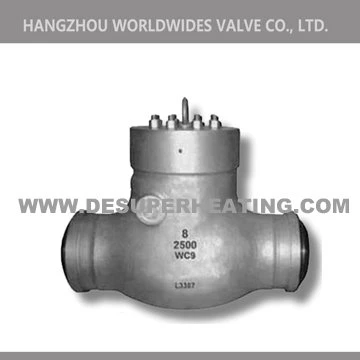
One common type of check valve is the swing check valve. A Swing Check Valve For Steam works by a disc that swings on a hinge. When the fluid flows in the correct direction, the disc swings open, and when the flow reverses, the disc swings back to close the valve.
Compared to swing check valves, diaphragm check valves have a faster closing action. Swing check valves can sometimes have a delay in closing, which might allow a small amount of backflow. Diaphragm check valves also tend to be more compact and can be used in applications where space is limited. However, swing check valves are often better suited for high - flow applications because they can handle larger volumes of fluid with less resistance in the open position.
Maintenance of Diaphragm Check Valves
Proper maintenance is essential to ensure the long - term performance of diaphragm check valves.
- Regular Inspection: Check the diaphragm for signs of wear, tear, or damage. Over time, the diaphragm can degrade due to factors like chemical exposure, high temperatures, or mechanical stress. If you notice any cracks, holes, or other damage, replace the diaphragm immediately.
- Cleaning: Depending on the application, the valve might get dirty or clogged with debris. Clean the valve body and the diaphragm regularly to ensure smooth operation. Use a suitable cleaning agent that won't damage the diaphragm material.
- Seal Checking: Make sure that the seal between the diaphragm and the seat is tight. A loose seal can lead to leaks and backflow. If the seal is not good, you may need to adjust the valve or replace the diaphragm.
Why Choose Our Diaphragm Check Valves?
As a check valve supplier, we take pride in offering high - quality diaphragm check valves. Our valves are made from top - notch materials, ensuring durability and reliable performance. We have a wide range of diaphragm materials to choose from, so you can select the one that's best suited for your specific application.
Our team of experts is always ready to help you with any questions you might have about diaphragm check valves. Whether it's choosing the right valve for your system, installation advice, or maintenance tips, we're here to support you.
If you're in the market for diaphragm check valves or any other type of check valves, we'd love to hear from you. We can provide you with detailed product information, competitive pricing, and excellent customer service. Contact us today to start a conversation about your check valve needs, and let's work together to find the perfect solution for your business.
References
- "Valve Handbook", by Valve Manufacturers Association.
- "Fluid Mechanics and Thermodynamics of Turbomachinery", by S. L. Dixon.
- Industry whitepapers on check valve applications and performance.



