

Globe valves are essential components in various industrial applications, known for their reliable flow control and shut - off capabilities. As a globe valve supplier, I understand the importance of choosing the right sealing materials for these valves to ensure optimal performance, durability, and safety. In this blog, we'll explore the different sealing materials used in globe valves, their properties, and applications.
1. Rubber Sealing Materials
Rubber is a commonly used sealing material in globe valves due to its excellent elasticity, flexibility, and sealing performance.
Natural Rubber (NR)
Natural rubber is derived from the latex of rubber trees. It has high resilience, good tear resistance, and low cost. However, it has limited resistance to oil, ozone, and heat. Natural rubber is often used in applications where the medium is water, air, or weak acids and alkalis at relatively low temperatures. For example, in some domestic water supply systems, globe valves with natural rubber seals can effectively prevent leakage.
Nitrile Rubber (NBR)
Nitrile rubber is a synthetic rubber copolymer of butadiene and acrylonitrile. It has excellent oil resistance, making it suitable for applications involving petroleum - based fluids, such as in the oil and gas industry. NBR can withstand a wide range of temperatures, typically from - 40°C to 100°C. Globe valves with NBR seals are commonly used in fuel lines, hydraulic systems, and lubrication systems.
Ethylene - Propylene - Diene Monomer (EPDM)
EPDM is a synthetic rubber known for its outstanding resistance to weathering, ozone, and steam. It has good chemical resistance to many acids, alkalis, and polar solvents. EPDM - sealed globe valves are widely used in water treatment plants, HVAC systems, and food and beverage industries, where the medium may contain chemicals or be exposed to environmental elements.
2. Plastic Sealing Materials
Plastics offer a range of properties that make them suitable for specific sealing applications in globe valves.
Polytetrafluoroethylene (PTFE)
PTFE, also known as Teflon, is a high - performance plastic with excellent chemical resistance, low friction coefficient, and wide temperature range (- 200°C to 260°C). It is inert to almost all chemicals, making it ideal for use in highly corrosive environments. PTFE - sealed globe valves are commonly used in the chemical processing industry, pharmaceutical manufacturing, and semiconductor production. For instance, in a chemical plant where strong acids or bases are handled, PTFE seals ensure long - term reliability and prevent leakage.
Polyethylene (PE)
Polyethylene is a thermoplastic polymer with good chemical resistance, low cost, and easy processability. It has different grades, such as high - density polyethylene (HDPE) and low - density polyethylene (LDPE). HDPE has higher strength and stiffness, while LDPE is more flexible. PE - sealed globe valves are often used in water distribution systems, irrigation systems, and some low - pressure chemical applications.
3. Metal Sealing Materials
Metal sealing materials are used in applications where high - temperature, high - pressure, or abrasive media are involved.
Stainless Steel
Stainless steel is a popular choice for metal seals in globe valves. It has good corrosion resistance, high strength, and can withstand high temperatures. Austenitic stainless steels, such as 304 and 316, are commonly used. They are suitable for a wide range of applications, including power generation, chemical processing, and oil and gas refining. For example, in a power plant's steam system, stainless - steel - sealed globe valves can handle high - pressure steam without significant wear or corrosion.
Alloy Steel
Alloy steels are designed to have specific properties, such as high hardness, wear resistance, and heat resistance. They are often used in applications where the medium is abrasive or the operating conditions are severe. Globe valves with alloy steel seals are commonly found in mining, pulp and paper, and cement industries.
4. Composite Sealing Materials
Composite sealing materials combine the advantages of different materials to achieve better performance.
Graphite - Reinforced PTFE
Graphite - reinforced PTFE is a composite material that combines the chemical resistance of PTFE with the high - temperature and lubricating properties of graphite. It has improved mechanical strength and wear resistance compared to pure PTFE. This composite is used in applications where high - temperature and high - pressure sealing are required, such as in steam systems and high - pressure chemical processes.
Metal - Reinforced Rubber
Metal - reinforced rubber seals consist of a rubber layer reinforced with a metal insert, such as a steel spring or wire mesh. This design enhances the seal's strength and stability, especially under high - pressure conditions. Metal - reinforced rubber - sealed globe valves are used in applications where both flexibility and high - pressure resistance are needed, such as in hydraulic systems.
Applications and Considerations
When selecting sealing materials for globe valves, several factors need to be considered, including the nature of the medium (chemical composition, temperature, pressure), the operating environment (ambient temperature, humidity, presence of corrosive gases), and the required service life.
For applications in the food and beverage industry, sealing materials must be non - toxic and comply with relevant food safety standards. In the pharmaceutical industry, materials should be cleanable and resistant to sterilization processes.
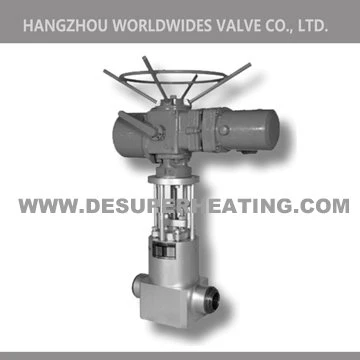
In high - pressure and high - temperature applications, such as in power plants or chemical refineries, metal or composite sealing materials are often preferred. For example, our High Pressure Steam Motorized Globe Valve is designed to handle high - pressure steam with appropriate sealing materials to ensure reliable operation.
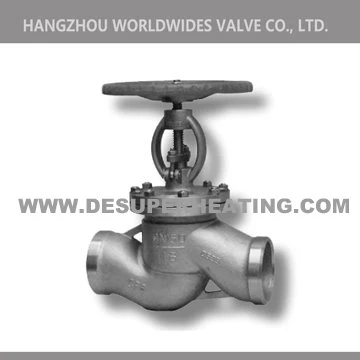
In general industrial applications where cost is a significant factor and the operating conditions are relatively mild, rubber or plastic sealing materials may be sufficient. Our Carbon Steel Globe Valve can be equipped with different sealing materials according to the specific requirements of the application.
Conclusion
Choosing the right sealing materials for globe valves is crucial for ensuring their proper functioning, longevity, and safety. As a globe valve supplier, we offer a wide range of globe valves with different sealing materials to meet the diverse needs of our customers. Whether you need a valve for a simple water supply system or a complex chemical processing plant, we can provide you with the appropriate solution.
If you are interested in our globe valves or need more information about sealing materials, please feel free to contact us for procurement and further discussion. We are committed to providing high - quality products and professional technical support to help you find the best valve solution for your application.
References
- ASME B16.34 - Valves - Flanged, Threaded, and Welding End
- API 602 - Compact Steel Gate, Globe, and Check Valves
- ISO 5208 - Industrial Valves - Pressure Testing of Valves



