

Hey there! As a supplier of steam desuperheaters, I often get asked about the best installation positions for these nifty devices in a steam pipeline. So, I thought I'd share some insights on this topic.
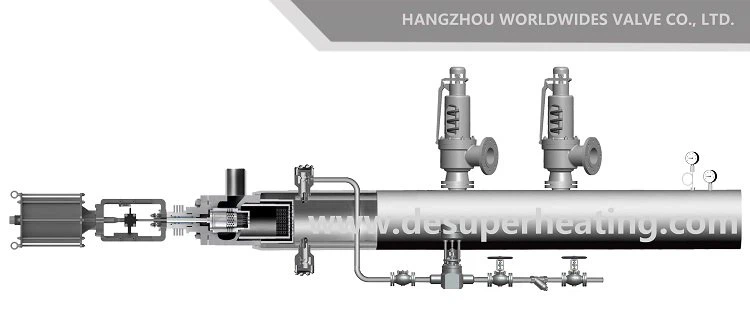
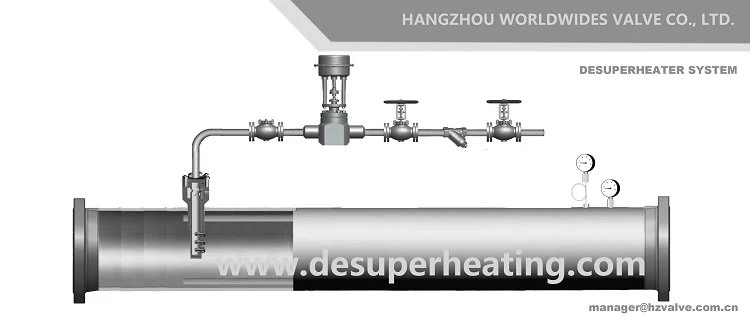
First off, let's understand what a steam desuperheater does. A Desuperheater is used to reduce the temperature of superheated steam by injecting a controlled amount of water into the steam flow. This process is crucial in many industrial applications where precise steam temperature control is required.
Upstream of Pressure - Reducing Valves
One common installation position for a steam desuperheater is upstream of pressure - reducing valves. When steam is at a high pressure and superheated, it can cause problems for pressure - reducing valves. High - temperature steam can lead to increased wear and tear on the valve components, reducing their lifespan. By installing a desuperheater upstream, we can lower the steam temperature before it reaches the valve.
This not only protects the valve but also helps in achieving a more stable pressure reduction. The cooler steam is less likely to cause thermal expansion issues within the valve, ensuring more accurate pressure control. For example, in a power plant where steam is used to drive turbines, the steam coming from the boiler is often superheated. Installing a desuperheater upstream of the pressure - reducing valves that regulate the steam pressure for the turbines can improve the overall efficiency and reliability of the system.
Downstream of Boiler and Before Distribution
Another important installation point is downstream of the boiler and before the steam is distributed to different parts of the plant. Boilers usually produce superheated steam to increase the energy content of the steam. However, when this steam is distributed to various processes, different processes may require steam at different temperatures.
By installing a desuperheater at this location, we can customize the steam temperature according to the requirements of each process. For instance, in a chemical plant, some reactions may require steam at a lower temperature than others. A desuperheater placed here allows for better control over the steam temperature, optimizing the performance of each process. It also helps in preventing overheating of equipment that is sensitive to high - temperature steam, reducing the risk of equipment failure.
Near Process Equipment
Some processes require very precise steam temperature control. In such cases, installing a desuperheater near the process equipment can be beneficial. This allows for real - time adjustment of the steam temperature right at the point of use. For example, in a food processing plant, where steam is used for cooking or sterilization, the temperature of the steam needs to be carefully controlled to ensure product quality and safety.
A desuperheater installed near the cooking or sterilization equipment can quickly respond to any changes in the process requirements. If the process suddenly needs a lower steam temperature, the desuperheater can be adjusted accordingly. This close - to - the - action installation ensures that the steam temperature is exactly what the process needs, improving the overall quality of the final product.
At Pipe Junctions
Pipe junctions are areas where the steam flow can experience changes in direction and pressure. These changes can sometimes lead to uneven steam distribution and temperature variations. Installing a desuperheater at pipe junctions can help in maintaining a uniform steam temperature across the different branches of the pipeline.
When steam splits at a junction, there is a risk of one branch receiving steam at a different temperature than the others. A desuperheater can be used to equalize the steam temperature in all branches. This is particularly important in large industrial complexes where steam is distributed through a network of pipes to multiple processes. By ensuring uniform steam temperature at the junctions, we can prevent thermal stress on the pipes and equipment connected to the different branches.
In Long Pipelines
In long steam pipelines, heat loss can occur, and the steam temperature can change along the length of the pipe. Installing desuperheaters at regular intervals in long pipelines can help in maintaining a consistent steam temperature. This is especially important in cases where the pipeline runs over a long distance, such as in district heating systems.
As the steam travels through the pipeline, it loses heat to the surrounding environment. By installing desuperheaters at appropriate intervals, we can compensate for this heat loss and ensure that the steam reaches the end - users at the desired temperature. This improves the efficiency of the heating system and provides a more comfortable environment for the end - users.
Specialized Applications: Desuperheating For Superheated Steam
In some specialized applications, such as in Geothermal Desuperheater systems, the installation positions may vary. Geothermal steam often contains impurities and is at a high temperature. A desuperheater in a geothermal system may be installed at a location where it can effectively remove the superheat while also dealing with the impurities in the steam.
These systems may require desuperheaters to be installed close to the geothermal wellhead or at key points in the steam collection and distribution network. The desuperheater needs to be designed to handle the unique characteristics of geothermal steam, such as its high mineral content and variable temperature.
Considerations for Installation
When deciding on the installation position of a desuperheater, there are several factors to consider. The first is the type of desuperheater. Different types of desuperheaters, such as spray - type desuperheaters or surface - type desuperheaters, may have different installation requirements.
The size of the pipeline also matters. Larger pipelines may require more powerful desuperheaters, and the installation position needs to be chosen in a way that ensures proper mixing of the injected water with the steam. The flow rate of the steam is another important factor. High - flow - rate steam may require a desuperheater to be installed in a location where there is enough space for the steam and water to mix effectively.
Why Choose Our Desuperheaters?
We offer a wide range of desuperheaters that are designed to meet the diverse needs of different industries. Our desuperheaters are made from high - quality materials, ensuring durability and long - term performance. We have a team of experts who can help you determine the best installation position for your specific application.
Whether you need a desuperheater for a small - scale industrial process or a large - scale power plant, we've got you covered. Our desuperheaters are easy to install and maintain, and we provide excellent after - sales support.
If you're in the market for a steam desuperheater and want to discuss your requirements, we'd love to hear from you. Contact us to start a conversation about how our desuperheaters can improve the efficiency and performance of your steam system.
References
- Steam Engineering Handbook: A comprehensive guide to steam systems and their components.
- Industrial Process Heating: Principles, Design, and Applications, which provides insights into steam usage in different industrial processes.



