

A diaphragm check valve is a specialized type of check valve that uses a flexible diaphragm to control the flow of fluid. As a leading Check Valve supplier, we understand the unique characteristics and applications of diaphragm check valves. In this blog, we will delve into the key features that make diaphragm check valves a popular choice in various industries.
1. Sealing Mechanism
One of the most prominent characteristics of a diaphragm check valve is its sealing mechanism. The diaphragm, typically made of elastomeric materials such as rubber or thermoplastics, acts as a flexible barrier. When the fluid flows in the forward direction, the pressure of the fluid pushes the diaphragm open, allowing the fluid to pass through. Conversely, when the flow reverses, the pressure on the backside of the diaphragm forces it against the valve seat, creating a tight seal and preventing backflow.
This sealing mechanism offers several advantages. First, it provides excellent sealing performance, even with low differential pressures. The flexibility of the diaphragm allows it to conform to the valve seat, ensuring a leak - tight closure. Second, it is highly effective in preventing the backflow of fluids, which is crucial in applications where contamination or damage could occur due to reverse flow. For example, in water treatment plants, diaphragm check valves prevent the backflow of treated water into the untreated water supply, maintaining the quality of the treated water.
2. Low Crack Pressure
Diaphragm check valves are known for their low crack pressure. The crack pressure is the minimum pressure required to open the valve and allow fluid to flow. The flexibility of the diaphragm means that it can be easily deflected by a relatively small pressure difference. This low crack pressure characteristic makes diaphragm check valves suitable for applications where the fluid pressure is relatively low.
In systems with low - pressure fluid flow, such as in some pneumatic systems or small - scale water distribution networks, a diaphragm check valve can open and close smoothly without causing significant pressure drops. This ensures that the system operates efficiently, as less energy is wasted in overcoming the valve's resistance.
3. Quick Response Time
Another important characteristic of diaphragm check valves is their quick response time. When the flow direction changes, the diaphragm can rapidly move to either the open or closed position. This is because the diaphragm is lightweight and has a simple design, which allows it to respond quickly to changes in pressure.
In applications where rapid flow control is required, such as in hydraulic systems or in processes where sudden changes in flow direction may occur, the quick response time of diaphragm check valves is invaluable. For instance, in a hydraulic actuator system, a diaphragm check valve can quickly prevent backflow when the actuator changes its direction of movement, ensuring the stability and safety of the system.
4. Resistance to Contaminants
Diaphragm check valves have a certain degree of resistance to contaminants in the fluid. The smooth surface of the diaphragm and the simple design of the valve reduce the likelihood of debris getting trapped and interfering with the valve's operation. Additionally, the flexibility of the diaphragm allows it to adapt to small particles in the fluid without losing its sealing ability.
In industries where the fluid may contain some level of contaminants, such as in wastewater treatment or mining operations, diaphragm check valves can maintain their performance over a longer period compared to some other types of check valves. However, it should be noted that excessive contamination can still affect the valve's performance, and proper filtration may be required in some cases.
5. Noise and Vibration Reduction
The operation of diaphragm check valves is generally quiet and produces less vibration compared to other types of check valves. The smooth movement of the diaphragm and the absence of moving parts that can cause mechanical impact contribute to this characteristic.
In applications where noise and vibration are a concern, such as in residential water supply systems or in some industrial processes where quiet operation is required, diaphragm check valves are a preferred choice. For example, in a building's plumbing system, a diaphragm check valve can prevent water hammer noise and vibration, providing a more comfortable environment for the occupants.
6. Wide Range of Materials
Diaphragm check valves are available in a wide range of materials for both the body and the diaphragm. The body of the valve can be made of materials such as brass, stainless steel, or plastic, depending on the application requirements. The choice of body material is mainly based on factors such as corrosion resistance, pressure rating, and cost.
The diaphragm material is also carefully selected according to the nature of the fluid. For example, in applications involving corrosive chemicals, a diaphragm made of a chemical - resistant material such as PTFE (polytetrafluoroethylene) may be used. This wide range of material options allows diaphragm check valves to be used in a variety of industries, including chemical processing, food and beverage, and pharmaceutical manufacturing.
7. Compact Design
Diaphragm check valves typically have a compact design, which makes them easy to install in limited - space applications. Their small size also means that they require less material and are more cost - effective in terms of installation and maintenance.
In industries where space is at a premium, such as in automotive engines or in some compact industrial machinery, the compact design of diaphragm check valves is highly advantageous. They can be easily integrated into the system without taking up too much space, while still providing reliable flow control.
8. Limited Flow Capacity
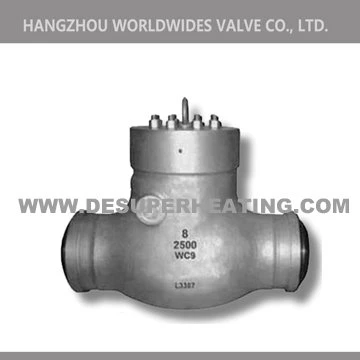
One of the limitations of diaphragm check valves is their relatively limited flow capacity compared to some other types of check valves, such as Swing Check Valve For Steam. The size of the diaphragm and the valve's internal design restrict the maximum amount of fluid that can pass through the valve.
In applications where high - flow rates are required, diaphragm check valves may not be the best choice. However, for low - to medium - flow applications, they offer a reliable and cost - effective solution.
Applications of Diaphragm Check Valves
Due to their unique characteristics, diaphragm check valves are used in a wide range of applications. In the medical industry, they are used in devices such as ventilators and infusion pumps to control the flow of fluids and prevent backflow. In the chemical industry, they are used to handle corrosive chemicals and ensure the safety of the process. In the food and beverage industry, diaphragm check valves are used to maintain the hygiene of the production process by preventing cross - contamination.
As a Check Valve supplier, we offer a comprehensive range of diaphragm check valves to meet the diverse needs of our customers. Our valves are designed and manufactured to the highest quality standards, ensuring reliable performance and long service life.
If you are in need of high - quality diaphragm check valves or have any questions about their applications, please do not hesitate to contact us. We are ready to assist you in selecting the most suitable valve for your specific requirements and to provide you with professional advice on valve installation and maintenance. Our team of experts is committed to helping you achieve optimal flow control in your systems.
References
- Valve Handbook, Crane Co.
- Industrial Valves: Selection, Sizing, and Application, Cameron International Corporation.
- Check Valve Technology and Applications, various industry research reports.



