

Hey there! As a gate valve supplier, I've dealt with a lot of customers who've been bugged by the noise problem when operating gate valves. It can be a real pain, not just for the ears but also for the overall efficiency and lifespan of the valve. So, in this blog, I'm gonna share some tips on how to reduce the noise level when operating a gate valve.
Understanding the Causes of Noise in Gate Valves
Before we dive into the solutions, it's important to understand why gate valves make noise in the first place. There are several factors that can contribute to this issue:
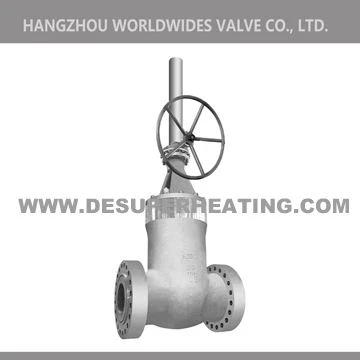

- Fluid Flow Turbulence: When the fluid flows through the valve, it can create turbulence, especially if the valve is not fully open or closed. This turbulence can cause vibrations and noise.
- Cavitation: Cavitation occurs when the pressure of the fluid drops below its vapor pressure, causing vapor bubbles to form. When these bubbles collapse, they can create a loud noise and damage the valve.
- Mechanical Vibrations: The movement of the valve components, such as the stem and the gate, can also cause mechanical vibrations, which can be transmitted through the valve body and produce noise.
- Poor Installation: If the valve is not installed correctly, it can lead to misalignment, which can cause the valve to vibrate and make noise.
Tips to Reduce Noise Level
Now that we know what causes the noise, let's look at some ways to reduce it:
1. Choose the Right Valve
The type of valve you choose can have a big impact on the noise level. For example, API ANSI Steel Gate Valve are designed to provide a tight seal and smooth flow, which can help reduce turbulence and noise. Similarly, High Pressure Flanged Ending Gate Valve are built to withstand high pressures and are less likely to cause cavitation. And Pressure Seal Steam Gate Valve are specifically designed for steam applications and can help reduce noise and vibration.
2. Ensure Proper Installation
Proper installation is crucial to reducing noise. Make sure the valve is installed in the correct orientation and that all the connections are tight. Use the right gaskets and seals to prevent leaks, which can also contribute to noise. Additionally, ensure that the valve is properly supported to prevent it from vibrating.
3. Maintain the Valve Regularly
Regular maintenance can help keep the valve in good condition and reduce noise. This includes lubricating the valve components, checking for wear and tear, and replacing any damaged parts. By keeping the valve in good working order, you can prevent mechanical vibrations and ensure smooth operation.
4. Control the Flow Rate
Controlling the flow rate can also help reduce noise. If the flow rate is too high, it can cause turbulence and cavitation. Use a flow control valve or a pressure regulator to adjust the flow rate to a level that is appropriate for the valve and the application.
5. Use Noise Reduction Devices
There are several noise reduction devices available that can help reduce the noise level of a gate valve. For example, you can use a silencer or a muffler to absorb the noise. These devices work by reducing the intensity of the sound waves and can be very effective in reducing noise.
6. Insulate the Valve
Insulating the valve can also help reduce noise. You can use insulation materials, such as fiberglass or foam, to wrap the valve body. This can help absorb the vibrations and reduce the noise level.
Conclusion
Reducing the noise level when operating a gate valve is important for both the comfort of the operators and the longevity of the valve. By understanding the causes of noise and implementing the tips mentioned above, you can significantly reduce the noise level and ensure smooth operation of your gate valve.
If you're in the market for a gate valve or need more information on how to reduce noise, feel free to reach out. We're here to help you find the right solution for your needs. Let's talk and see how we can work together to make your operations quieter and more efficient.
References
- Valve Handbook: A Guide to Valve Selection, Sizing, and Installation
- Fluid Mechanics and Thermodynamics of Turbomachinery
- Noise Control Engineering: Principles and Applications



