

Operating a globe valve is a crucial skill in various industrial applications, whether it's in chemical processing, power generation, or water treatment. As a reputable globe valve supplier, I've witnessed firsthand the importance of proper operation for ensuring the efficiency and safety of fluid control systems. In this blog, I'll guide you through the step-by-step process of operating a globe valve, share some tips and best practices, and highlight the different types of globe valves we offer.
Understanding the Basics of a Globe Valve
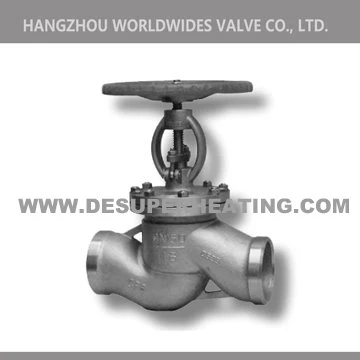
Before delving into the operation, it's essential to understand the basic components and functionality of a globe valve. A globe valve consists of a valve body, a valve seat, a disc, a stem, and an actuator. The valve seat is a circular opening in the valve body where the disc seals against to control the flow of fluid. The stem connects the disc to the actuator, which can be a handwheel, a lever, or a motorized device. When the actuator is turned, the stem moves the disc up or down, either opening or closing the valve.
Step-by-Step Guide to Operating a Globe Valve
1. Inspection and Preparation
- Visual Inspection: Before operating the valve, conduct a visual inspection to ensure there are no signs of damage, such as cracks, leaks, or corrosion. Check the valve body, stem, and actuator for any visible issues.
- Check the Position: Determine the current position of the valve. A fully open valve allows maximum flow, while a fully closed valve stops the flow completely. Some valves may have position indicators to help you determine the valve's position.
- Verify the System Pressure: Ensure that the system pressure is within the rated pressure of the valve. Operating a valve beyond its rated pressure can lead to failure and safety hazards.
2. Opening the Globe Valve
- Slow and Steady: To open the valve, turn the actuator (handwheel, lever, or motorized device) slowly in the counterclockwise direction. This action raises the disc from the valve seat, allowing fluid to flow through the valve.
- Monitor the Flow: As you open the valve, monitor the flow rate and pressure of the fluid. Gradually increase the opening to achieve the desired flow rate. Avoid opening the valve too quickly, as this can cause water hammer, which is a sudden pressure surge in the pipeline that can damage the valve and other components.
- Full Open Position: Once the valve is fully open, continue turning the actuator until you feel a slight resistance. This indicates that the valve is in the full open position and allows maximum flow.
3. Closing the Globe Valve
- Slow and Steady: To close the valve, turn the actuator slowly in the clockwise direction. This action lowers the disc onto the valve seat, gradually reducing the flow of fluid.
- Monitor the Flow: As you close the valve, monitor the flow rate and pressure of the fluid. Gradually decrease the opening to stop the flow completely. Avoid closing the valve too quickly, as this can also cause water hammer.
- Full Closed Position: Once the valve is fully closed, continue turning the actuator until you feel a firm resistance. This indicates that the valve is in the full closed position and stops the flow of fluid.
4. Adjusting the Flow
- Partial Open Position: In some applications, you may need to adjust the flow rate to a specific value. To do this, turn the actuator to a partial open position between the fully open and fully closed positions. You can use the valve's position indicator or a flow meter to determine the appropriate opening.
- Fine-Tuning: Make small adjustments to the actuator to fine-tune the flow rate. Monitor the flow rate and pressure of the fluid to ensure that the desired flow rate is achieved.
Tips and Best Practices for Operating a Globe Valve
- Regular Maintenance: Perform regular maintenance on the valve to ensure its proper operation. This includes lubricating the stem, checking the packing for leaks, and inspecting the valve for any signs of wear or damage.
- Use the Right Tools: Use the appropriate tools to operate the valve. Avoid using excessive force or tools that are not designed for the valve.
- Follow Safety Procedures: Always follow safety procedures when operating a valve. Wear appropriate personal protective equipment (PPE), such as gloves and safety glasses, and ensure that the area around the valve is clear of any obstacles.
- Training and Education: Provide training and education to your employees on the proper operation and maintenance of globe valves. This will help ensure that they understand the importance of proper operation and can perform their tasks safely and efficiently.
Types of Globe Valves We Offer
As a globe valve supplier, we offer a wide range of globe valves to meet the needs of different industries and applications. Some of the types of globe valves we offer include:
- Carbon Steel Globe Valve: Carbon steel globe valves are suitable for a variety of applications, including water, steam, and oil. They are known for their durability, strength, and resistance to corrosion.
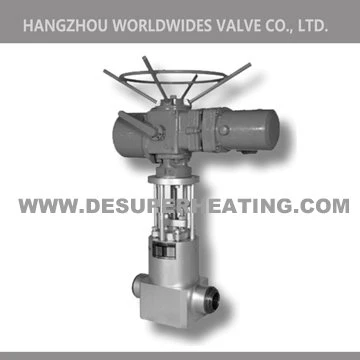
- High Pressure Steam Motorized Globe Valve: High pressure steam motorized globe valves are designed for use in high-pressure steam applications. They are equipped with a motorized actuator that allows for remote operation and precise control of the valve.
Conclusion
Operating a globe valve is a straightforward process, but it requires proper knowledge and skills to ensure its safe and efficient operation. By following the steps outlined in this blog and implementing the tips and best practices, you can operate a globe valve effectively and avoid potential problems. If you have any questions or need further assistance with globe valves, please don't hesitate to contact us. We're here to help you find the right valve for your application and provide you with the support you need to keep your system running smoothly. Whether you're looking for a Carbon Steel Globe Valve or a High Pressure Steam Motorized Globe Valve, we have the expertise and experience to meet your needs. Contact us today to discuss your requirements and start the procurement process.
References
- Valve Handbook, Fifth Edition by Nathaniel H. Fowler
- Fluid Mechanics and Thermodynamics of Turbomachinery by S. L. Dixon



