

Hey there! As a supplier of Resilient Gate Valves, I often get asked about how to measure the torque of these valves. It's a crucial aspect, especially when it comes to ensuring the proper functioning and safety of industrial systems. So, let's dive right into it.

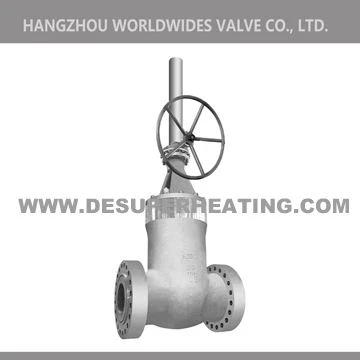
First off, why is measuring the torque of a Resilient Gate Valve so important? Well, torque is essentially the rotational force required to open or close the valve. If the torque is too high, it could mean there's an issue with the valve, like a blockage or misalignment. On the other hand, if the torque is too low, the valve might not seal properly, which can lead to leaks. In industrial settings, these leaks can be a huge problem, causing damage to equipment, wasting resources, and even posing safety risks.
Now, let's talk about the methods for measuring the torque. There are a few different ways to do it, and the choice often depends on the specific situation and the equipment you have available.
Method 1: Using a Torque Wrench
One of the most common and straightforward methods is to use a torque wrench. This is a tool that allows you to apply a specific amount of torque to a fastener or, in our case, the valve stem. Here's how you can do it:
- Prepare the Valve: Make sure the valve is in the closed position and that there's no pressure in the system. This is important for safety reasons and to get an accurate measurement.
- Attach the Torque Wrench: Fit the torque wrench onto the valve stem. You might need an adapter depending on the size and shape of the stem.
- Apply Torque: Slowly turn the torque wrench in the direction required to open the valve. Keep an eye on the reading on the torque wrench. The point at which the valve starts to move is the breakaway torque. Continue turning until the valve is fully open, and note the maximum torque reading. This is the running torque.
It's important to note that when using a torque wrench, you need to make sure it's calibrated correctly. An uncalibrated torque wrench can give inaccurate readings, which can lead to incorrect assessments of the valve's performance.
Method 2: Using a Torque Sensor
If you need more precise and continuous torque measurements, a torque sensor might be a better option. A torque sensor is a device that can measure the torque applied to a rotating shaft. Here's how it works:
- Install the Torque Sensor: Mount the torque sensor on the valve stem. This usually involves some mechanical work, so it's a good idea to have a professional do it if you're not experienced.
- Connect the Sensor to a Data Logger: The torque sensor will send the torque data to a data logger, which can record and display the readings. You can then analyze the data to get a detailed understanding of the valve's torque characteristics.
- Test the Valve: Open and close the valve several times while the sensor is recording the torque. This will give you a range of torque values, including the breakaway torque, running torque, and the torque required to close the valve.
Using a torque sensor can provide more detailed information about the valve's performance over time. You can also use the data to detect any changes in the torque, which could indicate a developing problem with the valve.
Method 3: Calculating Torque Based on Valve Design
In some cases, you might be able to calculate the torque required to operate a Resilient Gate Valve based on its design specifications. This method is more theoretical and is often used during the design and selection process. Here's how it works:
- Determine the Valve Parameters: You'll need to know the valve's size, pressure rating, and the type of seat material. These parameters will affect the friction between the valve gate and the seat, which is a major factor in determining the torque.
- Use a Torque Calculation Formula: There are several formulas available for calculating the torque of a gate valve. These formulas take into account factors such as the valve's diameter, the pressure differential across the valve, and the coefficient of friction between the gate and the seat.
However, it's important to note that these calculations are based on ideal conditions and might not accurately reflect the actual torque required in a real-world situation. There are many factors that can affect the torque, such as wear and tear, dirt and debris in the valve, and the temperature of the fluid flowing through the valve.
Factors Affecting Torque Measurement
There are several factors that can affect the torque measurement of a Resilient Gate Valve. Here are some of the most important ones:
- Valve Size: Larger valves generally require more torque to operate because there's more surface area in contact between the gate and the seat.
- Pressure Differential: The difference in pressure between the inlet and outlet of the valve can have a significant impact on the torque. Higher pressure differentials usually mean more torque is required to open and close the valve.
- Seat Material: The type of seat material used in the valve can affect the friction between the gate and the seat. Softer seat materials might require less torque, but they might also wear out more quickly.
- Lubrication: Proper lubrication of the valve stem and other moving parts can reduce the friction and, therefore, the torque required to operate the valve.
Importance of Regular Torque Checks
Regular torque checks are essential for maintaining the performance and safety of Resilient Gate Valves. By monitoring the torque over time, you can detect any changes that might indicate a problem with the valve. For example, an increase in torque could mean that the valve is wearing out or that there's a blockage in the system. On the other hand, a decrease in torque could indicate a leak or a problem with the valve's sealing mechanism.
As a Resilient Gate Valve supplier, we offer a wide range of high-quality valves, including the High Pressure Flanged Ending Gate Valve, Rising Stem Flanged Ends Gate Valve, and Steel Bevel Gear Industrial Gate Valve. These valves are designed to meet the highest standards of performance and reliability, and we can provide you with all the information you need to ensure proper installation and operation.
If you're interested in learning more about our Resilient Gate Valves or need help with torque measurement and valve maintenance, don't hesitate to get in touch. We're here to help you make the right choices for your industrial applications.
References
- ASME B16.34 - Valves - Flanged, Threaded, and Welding End
- API 600 - Steel Gate Valves - Flanged and Butt - Welding Ends, Bolted Bonnet
- ISO 5208 - Industrial Valves - Pressure Testing of Valves



