

Hey there! As a supplier of Pressure Reducing Systems, I've seen firsthand how crucial it is to maintain pressure stability in these systems. In this blog post, I'm gonna share some tips and tricks on how to keep that pressure steady and your system running smoothly.
Understanding the Basics of a Pressure Reducing System
Before we dive into the maintenance part, let's quickly go over what a Pressure Reducing System actually does. Simply put, it takes high-pressure fluid or gas and reduces it to a lower, more manageable pressure. This is super important in a bunch of industries, like manufacturing, power generation, and HVAC.
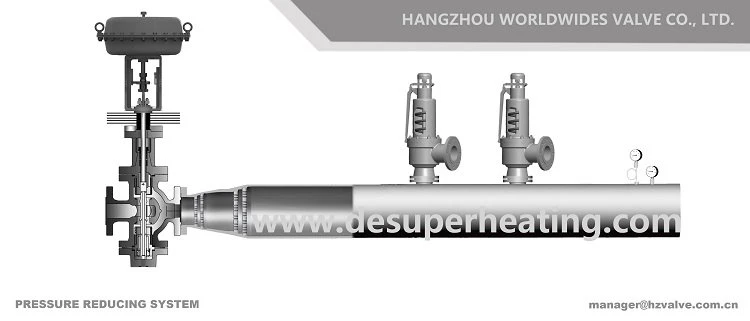
There are different components in a Pressure Reducing System, such as valves, regulators, and sensors. Each of these parts plays a key role in controlling and maintaining the pressure. For example, a High Pressure Steam Regulator is designed to handle high-pressure steam and bring it down to a safe and usable level.
Factors Affecting Pressure Stability
There are several things that can mess with the pressure stability of a Pressure Reducing System. One of the main factors is the inlet pressure. If the inlet pressure fluctuates a lot, it can be really hard for the system to maintain a constant outlet pressure. Another factor is the flow rate. If the flow rate changes suddenly, it can cause pressure spikes or drops.
The condition of the components in the system also matters. Worn-out valves or sensors can lead to inaccurate pressure readings and poor control. And let's not forget about the environment. Extreme temperatures, humidity, and vibration can all have an impact on the performance of the system.
Tips for Maintaining Pressure Stability
Regular Inspections
You gotta make regular inspections a part of your maintenance routine. Check all the components of the system for any signs of wear and tear, leaks, or damage. Look at the valves to make sure they're opening and closing properly. Inspect the sensors to ensure they're giving accurate readings. By catching problems early, you can prevent them from turning into bigger issues.
Calibration
Calibrating the sensors and regulators in your Pressure Reducing System is essential. Over time, these components can drift out of calibration, which can lead to inaccurate pressure control. You should calibrate them according to the manufacturer's recommendations. This will help ensure that the system is operating at its best and maintaining the desired pressure.
Cleaning
Keep the system clean. Dirt, debris, and contaminants can build up in the valves and pipes, which can affect the flow and pressure. Use appropriate cleaning agents and methods to remove any buildup. Make sure to clean the filters regularly as well. A clogged filter can restrict the flow and cause pressure problems.

Monitoring
Invest in a good monitoring system. This will allow you to keep an eye on the pressure, flow rate, and other important parameters in real-time. You can set up alarms to notify you if there are any significant changes or if the pressure goes outside the acceptable range. By monitoring the system closely, you can take action quickly if something goes wrong.
Training
Make sure your staff is properly trained to operate and maintain the Pressure Reducing System. They should know how to read the pressure gauges, adjust the valves, and troubleshoot common problems. Providing regular training will help ensure that everyone is on the same page and can handle any issues that arise.
Dealing with Specific Components
Pressure Reducing Valves
The Pressure Reducing Valve Steam is a critical component in the system. To keep it working well, you need to make sure it's installed correctly. Follow the manufacturer's instructions for installation and make sure the valve is properly sized for the application.
Clean the valve regularly to prevent any blockages. Check the seat and disc for any signs of damage. If the valve is leaking or not performing as expected, you may need to replace the seals or other parts.
High Pressure Reducing Devices
High Pressure Reducing Device are designed to handle high-pressure situations. These devices need to be inspected more frequently because they're under a lot of stress. Look for any signs of corrosion or erosion on the surfaces. Check the internal components to make sure they're in good condition.
Regulators
Regulators are responsible for controlling the pressure. They need to be adjusted and calibrated regularly. Make sure the setpoint is correct and that the regulator is responding properly to changes in the inlet pressure and flow rate. If the regulator is not working correctly, it can cause pressure instability.
Conclusion
Maintaining the pressure stability of a Pressure Reducing System is crucial for the safe and efficient operation of your equipment. By following these tips and taking good care of your system, you can minimize downtime, reduce maintenance costs, and ensure that your system is performing at its best.
If you're in the market for a Pressure Reducing System or need help with maintenance and troubleshooting, don't hesitate to reach out. We're here to provide you with the best products and support. Contact us to start a discussion about your specific needs and how we can help you keep your pressure under control.
References
- ASME Boiler and Pressure Vessel Code
- Manufacturer's manuals for Pressure Reducing System components



