

As a supplier of 2 Port Control Valves, I understand the critical importance of flow control accuracy in various industrial applications. In this blog, I'll share some effective strategies and techniques to enhance the flow control accuracy of a 2 Port Control Valve.
Understanding the Basics of 2 Port Control Valves
Before delving into how to improve flow control accuracy, it's essential to understand the fundamental working principle of 2 Port Control Valves. These valves have two ports - an inlet and an outlet. The valve regulates the flow of fluid (liquid or gas) by adjusting the position of a valve plug or disc. The degree of opening of the valve determines the amount of fluid that can pass through, thus controlling the flow rate.
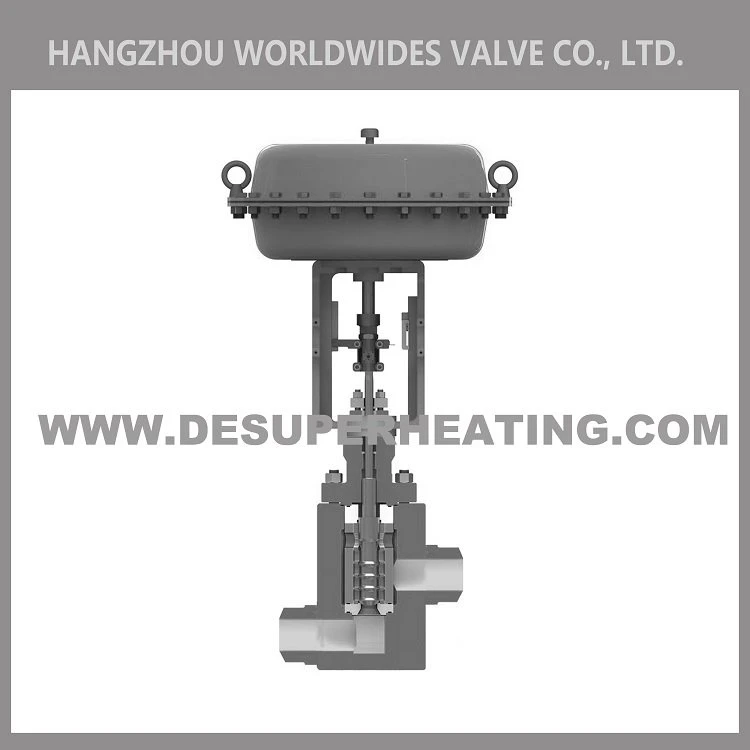

Factors Affecting Flow Control Accuracy
Several factors can impact the flow control accuracy of a 2 Port Control Valve. These include:
- Valve Design: The internal design of the valve, such as the shape of the valve plug and the flow path, can significantly affect flow characteristics. A well - designed valve will have a more linear relationship between the valve position and the flow rate.
- Actuator Performance: The actuator is responsible for moving the valve plug. If the actuator has poor positioning accuracy or response time, it can lead to inaccurate flow control.
- Fluid Properties: The properties of the fluid being controlled, such as viscosity, density, and temperature, can also influence flow control. For example, a highly viscous fluid may require a different valve design or control strategy compared to a low - viscosity fluid.
- System Pressure: Fluctuations in system pressure can cause variations in the flow rate, even if the valve position remains constant.
Strategies to Improve Flow Control Accuracy
1. Select the Right Valve Type
- Proper Sizing: Ensure that the valve is correctly sized for the application. An oversized valve may not provide precise control at low flow rates, while an undersized valve can cause excessive pressure drops and may not be able to handle the required flow.
- Choose the Appropriate Valve Characteristic: Different valve characteristics, such as linear, equal percentage, and quick - opening, are suitable for different applications. For applications where a linear relationship between valve position and flow rate is required, a linear - characteristic valve is a good choice. For applications with wide - ranging flow rates, an equal - percentage characteristic valve may be more appropriate. You can explore different types of control valves on our website, including Sprayer Control Valve, Self Regulating Control Valve, and Pressure Control Valve.
2. Optimize Actuator Performance
- High - Quality Actuators: Invest in high - quality actuators with accurate positioning and fast response times. Electric, pneumatic, and hydraulic actuators are commonly used, and each has its own advantages and disadvantages. Choose the actuator that best suits the application requirements.
- Calibration: Regularly calibrate the actuator to ensure that it moves the valve plug to the correct position. This can be done using a valve positioner, which compares the desired valve position with the actual position and adjusts the actuator accordingly.
3. Consider Fluid Properties
- Viscosity Compensation: If the fluid has a high viscosity, consider using a valve with a larger port size or a special design to reduce the pressure drop. Additionally, the control strategy may need to be adjusted to account for the slower flow of the viscous fluid.
- Temperature Compensation: Temperature changes can affect the density and viscosity of the fluid. In applications where temperature variations are significant, use temperature sensors and compensation algorithms to adjust the valve position and maintain accurate flow control.
4. Manage System Pressure
- Pressure Regulation: Install pressure regulators upstream or downstream of the valve to maintain a stable system pressure. This can help reduce the impact of pressure fluctuations on flow control.
- Feedback Control: Use a feedback control system that monitors the flow rate and adjusts the valve position based on the actual flow rate. This can be achieved using a flow meter and a controller.
Advanced Techniques for Enhanced Flow Control
1. Use of Smart Valves
- Integrated Sensors: Smart 2 Port Control Valves are equipped with integrated sensors that can measure parameters such as flow rate, pressure, and temperature. These sensors provide real - time data that can be used to optimize valve performance and improve flow control accuracy.
- Communication Capabilities: Smart valves can communicate with a central control system using protocols such as Modbus or Profibus. This allows for remote monitoring and control, as well as the implementation of advanced control algorithms.
2. Model - Based Control
- Process Modeling: Develop a mathematical model of the process in which the valve is used. This model can simulate the behavior of the fluid flow and predict the effect of changes in valve position on the flow rate.
- Model - Predictive Control: Use model - predictive control algorithms to optimize the valve position based on the process model and real - time data. This can help improve flow control accuracy and reduce the response time to disturbances.
Maintenance and Monitoring for Sustained Accuracy
- Regular Maintenance: Perform regular maintenance on the valve and actuator to ensure their proper functioning. This includes cleaning, lubrication, and inspection of components for wear and tear.
- Performance Monitoring: Continuously monitor the performance of the valve, including flow rate, pressure, and valve position. Analyze the data to detect any trends or anomalies that may indicate a problem with the valve or the control system.
Conclusion
Improving the flow control accuracy of a 2 Port Control Valve is a multi - faceted process that requires careful consideration of valve selection, actuator performance, fluid properties, and system pressure. By implementing the strategies and techniques discussed in this blog, you can achieve more precise flow control and improve the overall performance of your industrial processes.
If you're interested in learning more about our 2 Port Control Valves or have specific requirements for your application, we invite you to contact us for a detailed discussion. Our team of experts is ready to assist you in finding the best solution for your flow control needs.
References
- [1] “Industrial Valve Handbook,” published by an industry - leading publisher, which provides in - depth knowledge on valve design, operation, and selection.
- [2] Research papers on flow control systems and valve technology from reputable academic journals.



