

Hey there! As a check valve supplier, I've been in the game for quite a while, and I know how important it is to evaluate the static performance of a check valve. In this blog, I'm gonna share with you some key aspects and methods to do just that.
First off, let's talk about what we mean by static performance. Static performance refers to how a check valve behaves when there's no flow or when the flow is in a steady - state condition. It's different from dynamic performance, which deals with the valve's response during changing flow conditions.
One of the most crucial factors in evaluating static performance is the leakage rate. A good check valve should have a very low leakage rate when it's in the closed position. Leakage can lead to all sorts of problems, like loss of pressure, inefficiency, and even potential safety hazards in some applications. To measure the leakage rate, we usually use some specialized equipment. For example, we can use a pressure - testing rig. We seal the valve, apply a certain pressure on one side, and then measure the amount of fluid that leaks through to the other side over a specific period of time. If the leakage rate is higher than the industry standards or the customer's requirements, then the valve may not be up to par.
Another important aspect is the cracking pressure. The cracking pressure is the minimum upstream pressure required to open the check valve. It's a key parameter because it determines when the valve will start to allow flow. If the cracking pressure is too high, it can cause unnecessary pressure drops in the system, which can affect the overall efficiency. On the other hand, if it's too low, the valve may open prematurely, leading to backflow or other issues. To measure the cracking pressure, we gradually increase the upstream pressure while monitoring the valve's opening. We note down the pressure at which the valve first starts to allow flow.
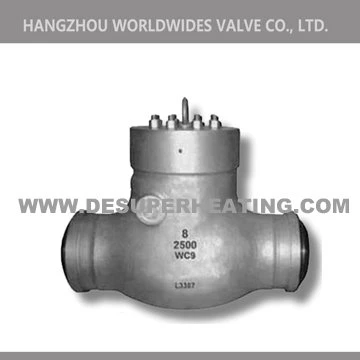
The seat integrity is also vital for the static performance of a check valve. The seat is where the valve closes and forms a seal. Any damage or wear on the seat can result in increased leakage. We can visually inspect the seat for any signs of scratches, pits, or corrosion. Sometimes, we also use non - destructive testing methods, like ultrasonic testing, to detect any internal flaws in the seat that may not be visible to the naked eye.
Now, let's consider the material properties of the check valve. The materials used in the valve construction can have a significant impact on its static performance. For example, the body material should be able to withstand the pressure and temperature of the fluid it's handling. If the fluid is corrosive, then the valve needs to be made of corrosion - resistant materials. The disc and seat materials also play a role. They should be hard enough to resist wear but also have good sealing properties.
When it comes to different types of check valves, they may have unique aspects to their static performance evaluation. Take the swing check valve for example. Swing check valves are widely used in many industries, especially in applications where there's a relatively low - velocity flow. You can learn more about Swing Check Valve For Steam on this link.
For a swing check valve, the hinge mechanism is an important part to evaluate. A smooth - operating hinge ensures that the disc can swing freely to open and close the valve. We need to check for any signs of binding or excessive wear in the hinge. Also, the angle at which the disc closes can affect the sealing performance. If the disc doesn't close at the right angle, it may not form a proper seal, leading to leakage.
In addition to these technical evaluations, we also need to consider the valve's compliance with relevant standards. There are many industry standards, such as API, ASME, and ISO, that specify the requirements for check valve performance. We need to make sure that our valves meet these standards to ensure their quality and reliability.
To sum it up, evaluating the static performance of a check valve involves multiple aspects, including leakage rate, cracking pressure, seat integrity, material properties, and compliance with standards. By carefully evaluating these factors, we can ensure that the check valves we supply are of high quality and can meet the needs of our customers.
If you're in the market for check valves and want to learn more about their performance or have any specific requirements, don't hesitate to reach out. We're here to help you find the best check valve solutions for your applications. Whether it's for a small - scale project or a large - scale industrial system, we've got the expertise and the products to meet your needs. Let's have a chat and see how we can work together to get you the right check valves.
References:
- "Valve Handbook" by J. S. Tuzson
- Industry standards from API, ASME, and ISO



