

Hey there! As a supplier of concealed gate valves, I've seen firsthand how crucial it is to ensure the reliability of these valves. In this blog, I'm gonna share some practical tips on how to make sure your concealed gate valves work smoothly and last a long time.
1. Quality Manufacturing Materials
The first step in ensuring the reliability of a concealed gate valve is using high - quality materials. When we're making these valves, we can't cut corners on materials. For example, the body of the valve should be made of strong and corrosion - resistant metals. Stainless steel is a great choice because it can withstand harsh environments and resist rust.
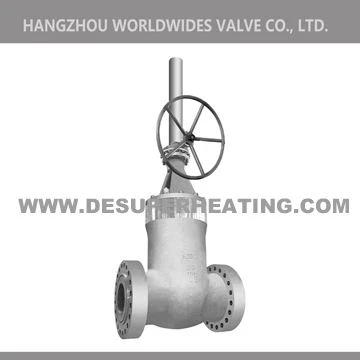
If you're in an industrial setting where the pressure is high, you might be interested in our High Pressure Flanged Ending Gate Valve. This valve is built with materials that can handle high - pressure situations, ensuring that it won't fail when you need it the most.
2. Precise Manufacturing Process
A reliable concealed gate valve starts with a precise manufacturing process. Every part of the valve needs to be made to exact specifications. The gate, which is the part that opens and closes the valve, has to fit perfectly within the valve body. Any small deviation in size or shape can lead to leaks or improper operation.
At our manufacturing facility, we use advanced machining techniques to ensure that each valve is made with the highest level of precision. We also conduct multiple quality checks during the manufacturing process. This way, we can catch any potential issues early and make sure that only the best - quality valves leave our factory.
3. Regular Maintenance
Even the best - made concealed gate valves need regular maintenance. Just like a car, if you don't take care of it, it's gonna break down eventually. Regular maintenance includes things like cleaning the valve, checking for leaks, and lubricating the moving parts.
You should clean the valve periodically to remove any dirt, debris, or sediment that might have accumulated inside. This can prevent the gate from moving smoothly and cause the valve to malfunction. Checking for leaks is also important. A small leak might seem insignificant at first, but over time, it can lead to bigger problems.
Lubricating the moving parts, such as the stem and the gate, is crucial. It reduces friction and wear, making the valve easier to operate and extending its lifespan. If you're using a motorized valve like our CF8M Flanged Motorized Water Gate Valve, regular maintenance of the motor and control system is also necessary.
4. Proper Installation
Proper installation is another key factor in ensuring the reliability of a concealed gate valve. If the valve is not installed correctly, it can cause a whole bunch of problems. For example, if the valve is not aligned properly, it can put stress on the gate and the valve body, leading to premature wear and failure.
When installing a concealed gate valve, make sure to follow the manufacturer's instructions carefully. Use the right tools and techniques, and make sure that all the connections are tight and secure. If you're not confident in your installation skills, it's a good idea to hire a professional to do it for you.
5. Compatibility with the System
The concealed gate valve you choose needs to be compatible with the system it's going to be used in. Consider factors like the pressure, temperature, and flow rate of the system. If the valve is not designed to handle the conditions of the system, it's likely to fail.
For industrial applications, our API 600 Flanged Industrial Gate Valve is designed to meet the high - standards and requirements of industrial systems. It's built to handle high - pressure, high - temperature, and high - flow situations, ensuring compatibility with a wide range of industrial applications.
6. Testing and Certification
Before a concealed gate valve is released to the market, it should undergo thorough testing. Testing can include pressure testing, leakage testing, and operation testing. Pressure testing ensures that the valve can withstand the maximum pressure it's designed for without failing. Leakage testing checks for any leaks in the valve when it's closed. Operation testing verifies that the valve can open and close smoothly.
Certification is also important. A valve with proper certification means that it has met certain industry standards. This gives you peace of mind knowing that the valve is reliable and safe to use.
7. Monitoring and Early Detection
In today's digital age, we have the technology to monitor the performance of concealed gate valves in real - time. By installing sensors on the valve, we can monitor things like pressure, temperature, and the position of the gate. This data can be analyzed to detect any early signs of problems.
For example, if the pressure inside the valve suddenly changes, it could indicate a blockage or a leak. By detecting these issues early, we can take corrective action before the problem gets worse and causes a major failure.

Conclusion
Ensuring the reliability of a concealed gate valve involves a combination of factors, from using high - quality materials and a precise manufacturing process to regular maintenance, proper installation, and compatibility with the system. By following these tips, you can make sure that your concealed gate valve works well and lasts for a long time.
If you're in the market for a reliable concealed gate valve, we're here to help. We offer a wide range of high - quality gate valves that are designed to meet your specific needs. Whether you need a valve for a small residential application or a large industrial project, we've got you covered. Contact us to start a procurement negotiation and find the perfect valve for your system.
References
- Valve Handbook, Industrial Valve Manufacturers Association
- Standards for Gate Valves, American Society of Mechanical Engineers



