

When it comes to the selection of a galvanized gate valve, one of the most crucial decisions is choosing the appropriate connection type. As a seasoned supplier of galvanized gate valves, I understand that this choice can significantly impact the performance, installation, and overall cost of your project. In this blog post, I'll guide you through the process of making this important decision.
Understanding the Basics of Galvanized Gate Valves
Before delving into connection types, let's briefly understand what galvanized gate valves are. Galvanized gate valves are made of steel that has been coated with a layer of zinc through a process called galvanization. This coating provides excellent corrosion resistance, making these valves suitable for a wide range of applications, especially in environments where moisture and corrosion are concerns.
Galvanized gate valves are used to control the flow of liquids and gases in pipelines. They operate by raising or lowering a gate inside the valve body to either allow or block the flow. The simplicity of their design makes them reliable and easy to maintain.
Common Connection Types for Galvanized Gate Valves
There are several connection types available for galvanized gate valves, each with its own advantages and disadvantages. Here are the most common ones:
Threaded Connections
Threaded connections are one of the most popular choices for small - diameter galvanized gate valves. They are easy to install and require no special tools. The valve and the pipeline are joined by screwing the threaded ends together. This type of connection is suitable for low - pressure applications and is commonly used in residential and small - scale commercial plumbing systems.
The main advantage of threaded connections is their simplicity. They can be easily installed and removed for maintenance or replacement. However, they are not suitable for high - pressure applications as the threads can leak under extreme pressure. Also, over - tightening can damage the threads, leading to leaks.
Flanged Connections
Flanged connections are widely used in industrial applications. The valve and the pipeline have flanges at their ends, which are bolted together with gaskets in between to ensure a tight seal. Flanged connections can handle high pressures and are suitable for large - diameter pipelines.

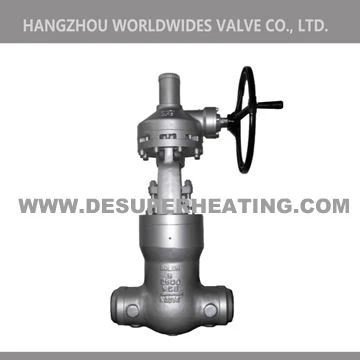
One of the key benefits of flanged connections is their ability to withstand high pressures and temperatures. They also provide a more secure and leak - proof connection compared to threaded connections. However, installation can be more complex and time - consuming, and they require more space due to the flanges and bolts.
If you are looking for high - quality flanged gate valves, you can check out our API 600 Flanged Industrial Gate Valve. It is designed to meet the highest industry standards and is suitable for a variety of industrial applications.
Welded Connections
Welded connections provide the strongest and most permanent connection for galvanized gate valves. The valve is welded directly to the pipeline, creating a seamless and leak - proof joint. This type of connection is commonly used in high - pressure and high - temperature applications, such as in oil and gas pipelines.
The advantage of welded connections is their durability and strength. They can handle extreme conditions without the risk of leakage. However, welding requires specialized skills and equipment, and once the valve is welded, it cannot be easily removed for maintenance or replacement.
Socket Weld Connections
Socket weld connections are similar to welded connections but are used for smaller - diameter pipelines. The valve has a socket at the end, and the pipeline is inserted into the socket and then welded. This type of connection provides a strong and reliable joint for small - scale applications.
Socket weld connections are relatively easy to install compared to full - scale welded connections. They also provide a good seal and can handle moderate pressures. However, like welded connections, they are difficult to disassemble for maintenance.
Factors to Consider When Choosing a Connection Type
Application Requirements
The first factor to consider is the application requirements. If you are working on a residential plumbing project, threaded connections may be sufficient. For industrial applications with high pressures and large - diameter pipelines, flanged or welded connections are more appropriate.
For example, in a chemical processing plant where the fluid being transported is under high pressure and temperature, a welded or flanged connection would be the best choice to ensure a leak - proof and reliable operation.
Pressure and Temperature
The pressure and temperature of the fluid in the pipeline play a crucial role in connection type selection. High - pressure and high - temperature applications require stronger connections such as flanged or welded connections. Threaded connections are generally not suitable for such extreme conditions.
If you are dealing with a system that operates at high pressures, you might be interested in our ASME/API600 OS Y Wedge Gate Valve. It is designed to handle high - pressure applications with ease.
Installation and Maintenance
Consider the ease of installation and maintenance. Threaded connections are the easiest to install and maintain, while welded connections are the most difficult. If you anticipate frequent maintenance or replacement of the valve, a threaded or flanged connection may be more suitable.
Cost
Cost is also an important factor. Threaded connections are generally the most cost - effective option, followed by flanged connections. Welded connections can be more expensive due to the need for specialized skills and equipment.
Material Compatibility
It's essential to ensure that the connection type is compatible with the materials of the valve and the pipeline. For example, if you are using a galvanized gate valve, the connection materials should also be resistant to corrosion to prevent premature failure.
Choosing the Right Connection Type for Your Project
Based on the above factors, here is a step - by - step guide to help you choose the right connection type:
- Evaluate the application: Determine the type of system you are working on, such as residential plumbing, industrial processing, or oil and gas pipelines.
- Assess the pressure and temperature: Check the pressure and temperature ratings of the fluid in the pipeline. High - pressure and high - temperature applications require stronger connections.
- Consider installation and maintenance: Think about how easy it will be to install and maintain the valve. If you need to replace the valve frequently, choose a connection type that allows for easy removal.
- Compare costs: Calculate the total cost of the connection type, including installation, maintenance, and replacement costs.
Conclusion
Choosing the appropriate connection type for a galvanized gate valve is a critical decision that can affect the performance and longevity of your system. By considering factors such as application requirements, pressure and temperature, installation and maintenance, and cost, you can make an informed choice.
As a trusted supplier of galvanized gate valves, we offer a wide range of products with different connection types to meet your specific needs. Whether you need a threaded gate valve for a small - scale project or a flanged gate valve for an industrial application, we have you covered.
If you are interested in learning more about our products or have any questions about choosing the right connection type, please feel free to contact us. We are always ready to assist you in finding the best solution for your project.
References
- Valve Handbook, 4th Edition, by Leo K. Stoecker
- ASME B16.34 - Valves - Flanged, Threaded, and Welded End
- API 600 - Bolted - Bonnet Steel Gate Valves for Petroleum and Natural Gas Industries



