

Yo! As a supplier of industrial safety valves, I've seen firsthand how temperature can throw a real curveball at these crucial pieces of equipment. Let's dig into how temperature affects the performance of industrial safety valves.
First off, let's talk about what industrial safety valves do. They're like the guardians of industrial systems, making sure that pressure doesn't get out of control. When the pressure inside a system goes above a certain limit, the safety valve opens up to release the excess pressure and prevent any dangerous situations. But temperature can really mess with this whole process.
High Temperatures
When it comes to high temperatures, there are a few ways they can impact safety valves. One of the main issues is material expansion. Most industrial safety valves are made of metal, and metals expand when they get hot. This expansion can cause the valve components to change shape, which might lead to problems with the valve's sealing ability.
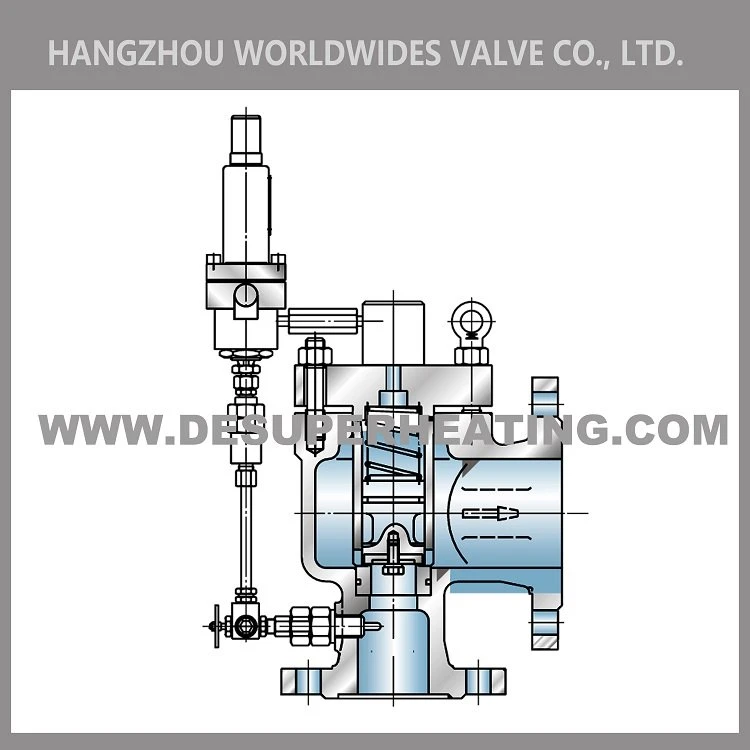
Imagine a Pressure Safety Valve in a high - temperature steam system. The steam can be extremely hot, sometimes reaching several hundred degrees Celsius. As the valve body and internal parts heat up, they expand. If the expansion isn't accounted for in the valve's design, it could result in a leak. A small leak might not seem like a big deal at first, but over time, it can lead to a loss of pressure control and even put the entire system at risk.
Another problem with high temperatures is the effect on the valve's spring. The spring is a key component in many safety valves as it determines the opening pressure. High temperatures can cause the spring to lose its elasticity. You know how a rubber band loses its stretchiness when you heat it up? Well, the same thing can happen to the spring in a safety valve. When the spring loses its elasticity, the valve might not open at the correct pressure. It could either open too early, leading to unnecessary pressure relief and wasted resources, or it might not open at all when the pressure gets too high, which is a huge safety hazard.
High temperatures can also accelerate the wear and tear of the valve's internal components. Chemical reactions can occur more rapidly at higher temperatures, and this can cause corrosion and erosion of the valve parts. For example, in a chemical processing plant where there are corrosive substances at high temperatures, the valve seats and discs can be damaged. A damaged seat or disc can prevent the valve from closing properly, which means that the system won't be able to maintain the required pressure.
Low Temperatures
Low temperatures can be just as problematic as high temperatures. One of the main issues with low temperatures is the risk of freezing. In some industrial applications, water or other fluids might be present in the valve or the piping system. When the temperature drops below the freezing point, these fluids can turn into ice.
Let's say you have a Co2 Pressure Relief Valve in a cold storage facility. If there's any moisture in the valve or the lines, it could freeze. When water freezes, it expands, and this expansion can damage the valve components. It might crack the valve body or break the internal parts, rendering the valve useless.
Low temperatures can also make the materials of the valve more brittle. Metals become less ductile at low temperatures, which means they're more likely to crack under stress. A safety valve needs to be able to withstand the pressure changes in the system, but if the materials are brittle due to low temperatures, the valve could fail suddenly. For instance, in an outdoor industrial setting during winter, the cold can make the valve's metal parts more prone to cracking when the pressure inside the system fluctuates.

Temperature Cycling
Temperature cycling is another factor that can affect the performance of industrial safety valves. Temperature cycling refers to the repeated heating and cooling of the valve. This can happen in many industrial processes, such as in power plants where the system goes through startup and shutdown cycles.
During temperature cycling, the valve components expand and contract repeatedly. This constant movement can cause fatigue in the materials. Just like bending a paperclip back and forth until it breaks, the repeated expansion and contraction of the valve parts can lead to cracks and failures over time.
The seals in the valve are also affected by temperature cycling. The seals need to maintain a tight fit to prevent leaks, but the changes in temperature can cause the seals to lose their shape and effectiveness. For example, in a Safety Valve For Solar Water Heater, the valve experiences temperature changes throughout the day as the sun heats up the water and then cools down at night. These temperature cycles can gradually degrade the seals, leading to leaks.
Dealing with Temperature Effects
So, what can we do to deal with these temperature - related issues? Well, as a supplier, we offer a range of solutions. For high - temperature applications, we use special materials that can withstand the heat. These materials have a low coefficient of thermal expansion, which means they don't expand as much when heated. We also design the valves with proper clearances to account for the expansion.
For low - temperature applications, we can use materials that are more resistant to brittleness at cold temperatures. We also take steps to prevent freezing, such as adding insulation or using heating elements in some cases.
When it comes to temperature cycling, we perform extensive testing on our valves to ensure that they can withstand the repeated expansion and contraction. We use advanced manufacturing techniques to improve the fatigue resistance of the valve components.
Wrapping It Up
In conclusion, temperature has a significant impact on the performance of industrial safety valves. High temperatures can cause material expansion, spring degradation, and accelerated wear. Low temperatures can lead to freezing and brittleness, while temperature cycling can cause fatigue and seal degradation.
But don't worry! As an experienced supplier of industrial safety valves, we've got you covered. We have the expertise and the products to ensure that your safety valves perform reliably in any temperature conditions.
If you're in the market for high - quality industrial safety valves, whether it's a Co2 Pressure Relief Valve, a Safety Valve For Solar Water Heater, or a Pressure Safety Valve, feel free to reach out to us. We're ready to have a chat about your specific needs and find the perfect solution for your industrial system. Let's work together to keep your operations safe and efficient!
References
- "Handbook of Industrial Valves" by R. K. Rajput
- "Thermal Effects on Materials in Engineering Applications" by John Smith



