

In the intricate web of oil and gas pipelines, the pressure reducing system stands as a crucial safeguard, ensuring the safe and efficient transportation of these vital resources. As a leading supplier of pressure reducing systems, I am excited to delve into the inner workings of these systems and shed light on their significance in the oil and gas industry.
The Basics of Pressure in Oil and Gas Pipelines
Before we explore the pressure reducing system, it's essential to understand the role of pressure in oil and gas pipelines. These pipelines are designed to transport oil and gas over long distances, often under high pressure. The pressure is necessary to overcome the resistance in the pipeline and ensure a continuous flow of the product. However, maintaining the right pressure is a delicate balance. Too much pressure can lead to pipeline damage, leaks, and even explosions, while too little pressure can result in inefficient flow and operational issues.
Components of a Pressure Reducing System
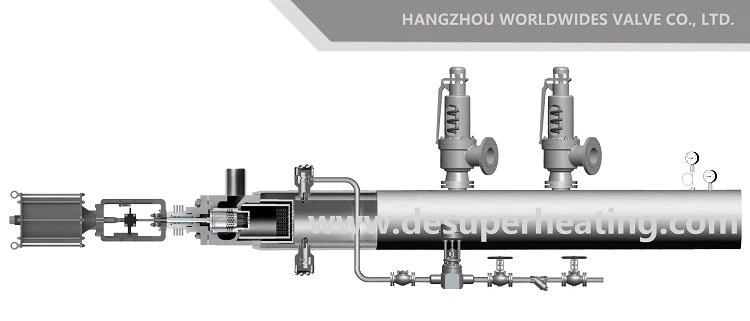
A typical pressure reducing system consists of several key components, each playing a specific role in regulating the pressure. These components include:
- Pressure Regulator: The pressure regulator is the heart of the pressure reducing system. It is designed to automatically adjust the pressure of the fluid flowing through the pipeline to a pre - set level. There are different types of pressure regulators, such as direct - acting and pilot - operated regulators. For steam applications, a Pressure Regulator Steam is often used. These regulators can precisely control the pressure, ensuring a stable and safe flow of steam in the pipeline.
- Sensors: Sensors are used to monitor the pressure and other parameters in the pipeline. They provide real - time data to the control system, allowing it to make adjustments as needed. Pressure sensors are the most common type, but temperature sensors may also be used, especially in systems where temperature and pressure are interrelated.
- Control System: The control system receives the data from the sensors and sends signals to the pressure regulator to adjust the pressure. It can be a simple mechanical system or a more complex electronic system, depending on the requirements of the pipeline.
- Valves: Valves are used to control the flow of the fluid in the pipeline. In a pressure reducing system, isolation valves are used to shut off the flow when necessary, and relief valves are used to release excess pressure in case of an emergency.
How the Pressure Reducing System Works
The operation of a pressure reducing system can be divided into several steps:
- Pressure Sensing: The sensors continuously monitor the pressure in the pipeline. If the pressure is above the pre - set level, the control system is alerted.
- Signal Transmission: Once the sensors detect a pressure deviation, they send a signal to the control system. The control system then processes this information and determines the appropriate action.
- Regulator Adjustment: Based on the signal from the control system, the pressure regulator adjusts its position. For example, if the pressure is too high, the regulator will reduce the opening, restricting the flow of the fluid and thus reducing the pressure.
- Continuous Monitoring and Adjustment: The system continuously monitors the pressure and makes adjustments as needed to maintain the pressure at the desired level. This ensures a stable and safe operation of the pipeline.
High - Pressure Reducing Devices
In high - pressure oil and gas pipelines, High Pressure Reducing Device are often used. These devices are specifically designed to handle extremely high pressures and provide a reliable and efficient way to reduce the pressure to a manageable level. They are typically made of high - strength materials and have advanced design features to ensure long - term performance and safety.
Temperature and Pressure Reduction Device Systems
In some cases, it is necessary to reduce both the temperature and the pressure of the fluid in the pipeline. This is where Temperature And Pressure Reduction Device System come into play. These systems are equipped with additional components, such as desuperheaters, to cool the fluid while reducing the pressure. They are commonly used in applications where the high - temperature and high - pressure fluid needs to be brought to a suitable state for further processing or use.
Benefits of Using a Pressure Reducing System
The use of a pressure reducing system in oil and gas pipelines offers several benefits:

- Safety: By maintaining the pressure within a safe range, the system reduces the risk of pipeline failures, leaks, and explosions. This protects the environment, personnel, and equipment from potential hazards.
- Efficiency: A well - regulated pressure ensures a smooth and continuous flow of the fluid in the pipeline. This improves the overall efficiency of the transportation process and reduces energy consumption.
- Equipment Protection: High pressure can cause damage to pumps, valves, and other equipment in the pipeline. A pressure reducing system helps to protect these components, extending their lifespan and reducing maintenance costs.
- Compliance: Many regulatory bodies have strict requirements regarding the pressure in oil and gas pipelines. Using a pressure reducing system helps companies to comply with these regulations and avoid potential fines.
Applications in the Oil and Gas Industry
Pressure reducing systems are widely used in various applications in the oil and gas industry:
- Upstream Operations: In oil and gas production, pressure reducing systems are used to control the pressure of the fluid coming from the wellhead. This is important for safe and efficient production, as well as for protecting the equipment at the well site.
- Midstream Operations: During transportation, pressure reducing systems are used to maintain the pressure in the pipelines. They ensure that the oil and gas can be transported over long distances without any issues.
- Downstream Operations: In refineries and processing plants, pressure reducing systems are used to regulate the pressure of the fluids before they enter different processing units. This helps to optimize the processing conditions and improve the quality of the final products.
Our Expertise as a Supplier
As a supplier of pressure reducing systems, we have extensive experience in designing, manufacturing, and installing these systems for the oil and gas industry. Our team of experts understands the unique requirements of the industry and can provide customized solutions to meet the specific needs of our clients. We use the latest technology and high - quality materials to ensure the reliability and performance of our products.
Whether you need a simple pressure regulator or a complex temperature and pressure reduction device system, we have the expertise and resources to deliver the right solution for your project. Our products are designed to meet the highest industry standards and are backed by excellent after - sales service.
Contact Us for Procurement
If you are in the oil and gas industry and are looking for a reliable pressure reducing system, we invite you to contact us for procurement discussions. Our team is ready to assist you in selecting the most suitable system for your needs, providing detailed technical information, and offering competitive pricing. Let us work together to ensure the safe and efficient operation of your oil and gas pipelines.
References
- API Standards - American Petroleum Institute, which provides guidelines for the design and operation of oil and gas pipelines.
- ASME Boiler and Pressure Vessel Code - This code sets the standards for the design, fabrication, and inspection of pressure vessels and related equipment.
- Industry research reports on oil and gas pipeline technology and safety.



