In the realm of closed - loop heater systems, the heater safety valve plays a pivotal and often under - appreciated role. As a trusted supplier of heater safety valves, I am well - versed in the intricacies of how these devices function and why they are essential for the safe operation of such systems.
The Basics of a Closed - Loop Heater System
A closed - loop heater system is designed to circulate a heating medium, such as water or oil, through a series of pipes and components. The heater warms the medium, which then transfers heat to the desired area, like a building or an industrial process. The closed - loop nature of the system means that the heating medium is continuously recycled, which is both energy - efficient and cost - effective. However, this closed - loop setup also presents potential risks, mainly related to pressure build - up.
As the heating medium is heated, it expands. If the expansion has no outlet, the pressure within the system can rise to dangerous levels. This is where the heater safety valve steps in as the unsung hero of the closed - loop heater system.
The Anatomy of a Heater Safety Valve
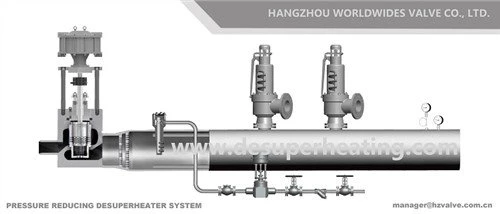
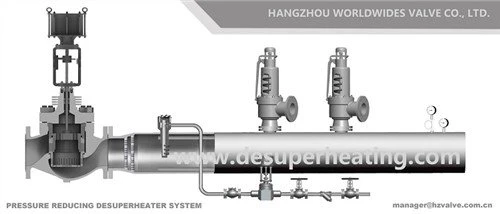
Before delving into how a heater safety valve works, it's important to understand its basic components. A typical heater safety valve consists of a valve body, a valve seat, a disc, a spring, and an adjusting screw. The valve body is the outer casing that houses all the internal components. The valve seat is the surface against which the disc seals when the valve is closed. The disc is a movable part that opens and closes the valve. The spring provides the force necessary to keep the disc against the valve seat, and the adjusting screw allows for the adjustment of the spring's tension.
How the Heater Safety Valve Works
The operation of a heater safety valve is based on the principle of pressure balance. When the pressure within the closed - loop heater system is within the normal operating range, the force exerted by the spring on the disc is greater than the pressure of the heating medium. As a result, the disc remains firmly seated against the valve seat, preventing any fluid from escaping.
However, when the pressure in the system exceeds the pre - set pressure (also known as the set pressure), the force of the pressure on the disc becomes greater than the force of the spring. This causes the disc to lift off the valve seat, opening the valve. Once the valve is open, the excess pressure is relieved as the heating medium is allowed to escape through the valve outlet. This reduces the pressure in the system, protecting it from potential damage due to over - pressure.
As the pressure in the system decreases, the force of the spring eventually becomes greater than the pressure on the disc again. This causes the disc to return to its closed position, sealing the valve. The system then returns to its normal operating state.
Types of Heater Safety Valves and Their Applications
There are several types of heater safety valves available, each with its own unique features and applications. One common type is the Full Nozzle Safety Valve. This type of valve is designed to provide a large flow capacity when it opens, making it suitable for systems that require rapid pressure relief.
Another type is the Stainless Steel Pressure Relief Valve. As the name suggests, this valve is made of stainless steel, which makes it resistant to corrosion. It is often used in systems where the heating medium is corrosive or in environments where corrosion is a concern.
The Pressure Safety Valve is a general - purpose valve that can be used in a wide range of closed - loop heater systems. It is designed to open at a specific set pressure and close when the pressure drops to a safe level.
Importance of Proper Sizing and Installation
Proper sizing and installation of the heater safety valve are crucial for its effective operation. If the valve is too small, it may not be able to relieve the excess pressure quickly enough, leading to potential damage to the system. On the other hand, if the valve is too large, it may open too easily, causing unnecessary loss of the heating medium.
During installation, it's important to ensure that the valve is installed in the correct orientation and that all connections are tight. The valve should also be installed in a location where it is easily accessible for maintenance and inspection.
Maintenance and Inspection
Regular maintenance and inspection of the heater safety valve are essential to ensure its reliable operation. Over time, the valve may experience wear and tear, and the spring may lose its elasticity. This can affect the valve's ability to open and close properly.
Maintenance tasks typically include cleaning the valve body, inspecting the valve seat and disc for damage, and checking the spring for proper tension. If any components are found to be damaged or worn, they should be replaced immediately. Inspection should be carried out at regular intervals, and it's a good practice to test the valve's operation periodically to ensure that it is functioning correctly.
Conclusion
In conclusion, the heater safety valve is a critical component in a closed - loop heater system. It provides a reliable means of protecting the system from over - pressure, ensuring its safe and efficient operation. By understanding how a heater safety valve works, system operators can better appreciate its importance and take the necessary steps to maintain it properly.
If you are in need of a high - quality heater safety valve for your closed - loop heater system, we are here to help. Our company offers a wide range of heater safety valves, including the Full Nozzle Safety Valve, Stainless Steel Pressure Relief Valve, and Pressure Safety Valve. We are committed to providing our customers with the best products and services. Contact us today to discuss your specific requirements and start a procurement negotiation.


References
- ASME Boiler and Pressure Vessel Code, Section VIII, Division 1.
- API 520 and API 526 Standards for Pressure - Relieving Devices.
- Manufacturer's manuals for heater safety valves.