

Can a galvanized gate valve be used in an industrial pipeline? That's a question I get asked a lot as a supplier of galvanized gate valves. In this blog, I'll share my thoughts and experiences on this topic to help you make an informed decision.
What are Galvanized Gate Valves?
First off, let's talk about what galvanized gate valves are. A gate valve is a type of valve that uses a gate or wedge to control the flow of fluid through a pipeline. When the gate is fully raised, the flow is unrestricted, and when it's fully lowered, the flow is stopped.
Galvanization is a process where a protective zinc coating is applied to steel or iron to prevent rusting. So, a galvanized gate valve is a gate valve that has been coated with zinc to enhance its corrosion resistance.
Advantages of Using Galvanized Gate Valves in Industrial Pipelines
Corrosion Resistance
One of the biggest advantages of galvanized gate valves is their excellent corrosion resistance. In many industrial settings, pipelines are exposed to various corrosive substances, such as chemicals, water, and gases. The zinc coating on galvanized gate valves acts as a barrier, protecting the underlying metal from corrosion. This means that the valve can last longer and perform more reliably in harsh environments.
For example, in water treatment plants, where the water may contain chemicals and minerals that can cause corrosion, galvanized gate valves are a popular choice. They can withstand the corrosive effects of the water and ensure a long service life.
Cost-Effective
Galvanized gate valves are generally more cost-effective than other types of valves, such as Stainless Steel Class 300 Gate Valve. Stainless steel valves are known for their high corrosion resistance, but they can be quite expensive. Galvanized gate valves offer a good balance between cost and performance, making them a practical choice for many industrial applications.
Easy to Install and Maintain
Galvanized gate valves are relatively easy to install and maintain. They have a simple design, which means that they can be installed quickly and easily by trained personnel. Additionally, the zinc coating on the valve makes it resistant to dirt and debris, which can reduce the need for frequent maintenance.
Limitations of Galvanized Gate Valves in Industrial Pipelines
Temperature and Pressure Limitations
While galvanized gate valves are suitable for many industrial applications, they do have some limitations when it comes to temperature and pressure. The zinc coating on the valve can start to degrade at high temperatures, which can reduce its corrosion resistance. Additionally, the valve may not be able to withstand very high pressures, especially in applications where the pressure is constantly changing.
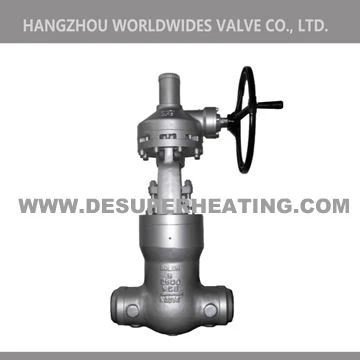
If you need a valve that can handle high temperatures and pressures, you may want to consider a High Temperature High Pressure Gate Valve. These valves are designed to withstand extreme conditions and are made from materials that can handle high temperatures and pressures.
Compatibility with Certain Fluids
Galvanized gate valves may not be compatible with certain fluids, such as acidic or alkaline solutions. The zinc coating on the valve can react with these fluids, which can cause corrosion and damage to the valve. In these cases, it's important to choose a valve that is specifically designed for use with the fluid in question.
For example, if you're working with an acidic solution, you may want to consider a valve made from a material that is resistant to acid, such as stainless steel or plastic.
Applications Where Galvanized Gate Valves are Suitable
Despite their limitations, galvanized gate valves are suitable for a wide range of industrial applications. Here are some examples:
Water Supply Systems
Galvanized gate valves are commonly used in water supply systems, both in residential and commercial buildings. They are used to control the flow of water and can be found in pipelines that supply water to faucets, toilets, and other fixtures.
Irrigation Systems
In agriculture, galvanized gate valves are used in irrigation systems to control the flow of water to crops. They are a cost-effective and reliable solution for managing water distribution in large fields.
Industrial Water Treatment
Galvanized gate valves are also used in industrial water treatment plants to control the flow of water through various treatment processes, such as filtration and disinfection.
Applications Where Galvanized Gate Valves May Not Be Suitable
As mentioned earlier, there are some applications where galvanized gate valves may not be the best choice. Here are some examples:
Chemical Processing
In chemical processing plants, where the pipelines are exposed to highly corrosive chemicals, galvanized gate valves may not be able to provide sufficient corrosion resistance. In these cases, valves made from more corrosion-resistant materials, such as stainless steel or exotic alloys, are typically used.
High-Temperature Applications
In applications where the temperature is very high, such as in power plants or refineries, galvanized gate valves may not be suitable. The zinc coating on the valve can start to degrade at high temperatures, which can reduce its performance and lifespan.
Making the Right Choice
When deciding whether to use a galvanized gate valve in an industrial pipeline, it's important to consider the specific requirements of your application. Here are some factors to keep in mind:
Fluid Type
Consider the type of fluid that will be flowing through the pipeline. If the fluid is corrosive or acidic, you may need to choose a valve that is specifically designed for use with that fluid.
Temperature and Pressure
Take into account the temperature and pressure conditions of your application. If the temperature or pressure is very high, you may need to choose a valve that can handle these conditions.
Cost
Consider your budget when choosing a valve. Galvanized gate valves are generally more cost-effective than other types of valves, but you need to make sure that they meet the requirements of your application.
Conclusion
So, can a galvanized gate valve be used in an industrial pipeline? The answer is yes, in many cases. Galvanized gate valves offer excellent corrosion resistance, are cost-effective, and are easy to install and maintain. However, they do have some limitations, especially when it comes to temperature, pressure, and compatibility with certain fluids.
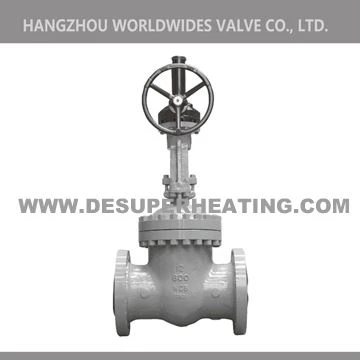
If you're unsure whether a galvanized gate valve is the right choice for your application, I'd be happy to help. As a supplier of galvanized gate valves, I have extensive experience in the industry and can provide you with expert advice and guidance. Whether you need a Stainless Steel Class 300 Gate Valve, an API 600 Flanged Industrial Gate Valve, or any other type of valve, I can help you find the right solution for your needs.
If you're interested in purchasing galvanized gate valves or have any questions, feel free to reach out. I'm here to assist you with your procurement needs and ensure that you get the best valves for your industrial pipelines.
References
- Valve Handbook: A Guide to Valve Selection, Installation, and Maintenance
- Industrial Pipeline Design and Engineering Manual



