

As a supplier of galvanized gate valves, I often get asked whether these valves can be used in a desalination plant. It's a valid question, considering the unique and harsh conditions in desalination facilities. In this blog, I'll dive into the details to help you understand if a galvanized gate valve is a good fit for desalination plants.
Understanding Desalination Plants
First off, let's talk about what goes on in a desalination plant. The main goal of these plants is to remove salt and other impurities from seawater or brackish water, making it suitable for drinking, irrigation, or industrial use. There are two main methods of desalination: reverse osmosis (RO) and thermal desalination.

In RO desalination, water is forced through a semi - permeable membrane under high pressure, leaving the salt and other contaminants behind. Thermal desalination, on the other hand, involves heating the water to create steam, which is then condensed into fresh water, leaving the salt in the remaining brine.
Both processes involve high - pressure systems, exposure to corrosive saltwater, and the need for precise control of water flow. So, when choosing valves for these plants, durability, corrosion resistance, and reliability are key factors.
What Are Galvanized Gate Valves?
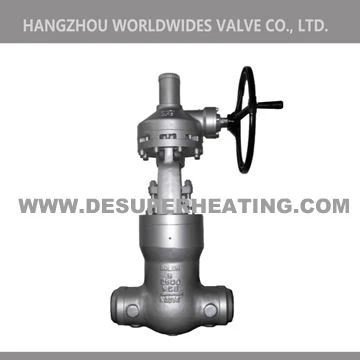
Galvanized gate valves are made from metal, usually steel, that has been coated with a layer of zinc through a process called galvanization. This zinc coating acts as a protective barrier, preventing the underlying metal from coming into contact with moisture and oxygen, which are the main culprits in corrosion.
The gate in a gate valve moves up and down to control the flow of fluid. When the gate is fully open, there is minimal resistance to the flow, making it ideal for applications where a full, unobstructed flow is required. When the gate is closed, it provides a tight seal, preventing any leakage.
Pros of Using Galvanized Gate Valves in Desalination Plants
- Cost - effectiveness: Galvanized gate valves are generally more affordable compared to some other types of valves made from exotic materials. For a large - scale desalination plant, where numerous valves are required, cost savings can be significant.
- Corrosion resistance: The zinc coating on galvanized gate valves offers a certain level of protection against corrosion. In a desalination plant, where the water contains high levels of salt, this corrosion resistance can help extend the lifespan of the valve.
- Full - flow capacity: As mentioned earlier, gate valves provide a full, unobstructed flow when fully open. This is important in desalination plants, where efficient water flow is crucial for the overall performance of the system.
Cons of Using Galvanized Gate Valves in Desalination Plants
- Limited long - term corrosion resistance: While the zinc coating provides some protection, it may not be sufficient for the long - term in a desalination environment. Over time, the high - salt and high - pressure conditions can cause the zinc coating to wear off, exposing the underlying metal to corrosion.
- Maintenance requirements: Galvanized gate valves may require more frequent maintenance compared to valves made from more corrosion - resistant materials. This can include regular inspections, cleaning, and potentially re - galvanizing the valve if the coating is damaged.
- Slow operation: Gate valves are not the fastest - acting valves. They require multiple turns of the valve stem to open or close, which may not be suitable for applications where rapid flow control is needed.
Alternatives to Galvanized Gate Valves in Desalination Plants
If the limitations of galvanized gate valves are a concern, there are other options available. For example, Alloy Steel High Pressure Seal Bonnet Gate Valve is made from alloy steel, which offers superior corrosion resistance and can withstand high pressures. Another option is the Pressure Seal Steam Gate Valve, which is designed for high - temperature and high - pressure applications, making it suitable for thermal desalination plants. The API 600 Flanged Industrial Gate Valve also meets industry standards and is known for its reliability and durability.
Making the Right Choice
When deciding whether to use a galvanized gate valve in a desalination plant, it's important to consider the specific requirements of the plant. If the plant has a lower budget, relatively lower - pressure systems, and can tolerate some level of maintenance, a galvanized gate valve may be a viable option. However, for high - performance, long - term applications, it may be worth investing in more corrosion - resistant and durable valves.
As a supplier, I'm here to help you make the right choice. I can provide detailed information about the different types of valves, their performance characteristics, and how they will fit into your desalination plant's system. Whether you're building a new plant or upgrading an existing one, I can work with you to find the best valve solutions.
If you're interested in learning more about our galvanized gate valves or any of our other valve products, I encourage you to reach out. We can have a detailed discussion about your specific needs and come up with a customized solution for your desalination plant. Don't hesitate to contact us to start the procurement and negotiation process.
References
- "Desalination Technology and Applications" by various authors
- "Valve Handbook" by Valve Manufacturers Association



