

Hey there! As an industrial safety valve supplier, I often get asked if there are any energy - saving industrial safety valves. Well, the short answer is yes, and in this blog, I'll break it all down for you.
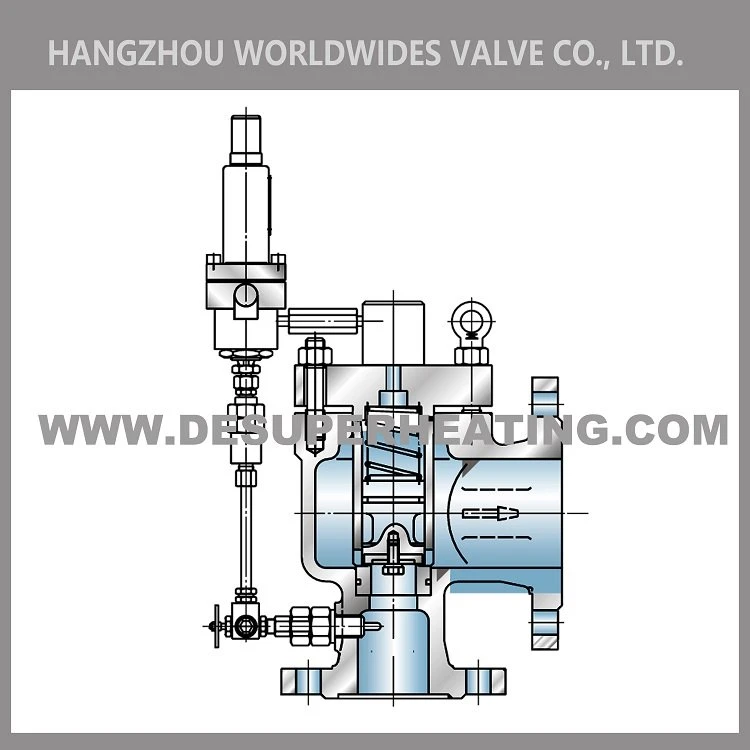
First off, let's understand what industrial safety valves are. These bad boys are crucial components in industrial systems. They're designed to protect equipment and personnel by releasing excess pressure when it goes beyond a safe level. Think of them as the guardians of your industrial setup. You can check out more about Industrial Safety Valve on our website.
Now, the concept of energy - saving in industrial safety valves might seem a bit confusing at first. How can a valve that's mainly about safety also save energy? But it makes perfect sense when you think about it. Energy - saving industrial safety valves are engineered to operate more efficiently, reducing unnecessary energy consumption.
One of the key ways these valves save energy is through their design. Modern energy - saving safety valves are built with advanced materials and precision engineering. This allows them to open and close more smoothly, with less friction. When a valve opens and closes smoothly, it doesn't waste energy fighting against internal resistance. For example, some valves use low - friction seals and optimized flow paths. These features ensure that the valve operates with minimal energy loss, even under high - pressure conditions.
Another aspect is the control mechanism. Energy - saving safety valves often come with smart control systems. These systems can adjust the valve's operation based on real - time conditions. For instance, if the pressure in a system is only slightly above the safe level, the valve can open just enough to relieve the excess pressure without fully opening. This partial opening reduces the amount of fluid or gas that's released, which in turn saves energy. Traditional valves might open fully every time the pressure exceeds the set point, leading to more energy waste.
Let's take a look at some specific types of energy - saving industrial safety valves.
Co2 Pressure Relief Valve
Carbon dioxide is widely used in various industries, from food and beverage to refrigeration. A Co2 Pressure Relief Valve is designed to protect equipment from over - pressurization caused by CO2. Energy - saving versions of these valves are especially important. In a refrigeration system, for example, a well - designed CO2 pressure relief valve can prevent unnecessary venting of CO2. Since CO2 is often a refrigerant that requires energy to compress and maintain in a system, reducing its loss means saving energy. These valves are engineered to accurately sense pressure changes and respond quickly, minimizing the amount of CO2 that's released while still ensuring safety.
Hot Water Heater Safety Valve
Hot water heaters are a common sight in many industrial and commercial settings. A Hot Water Heater Safety Valve is essential to prevent over - pressurization and potential explosions. Energy - saving hot water heater safety valves can make a big difference. They're designed to open only when absolutely necessary, and they close quickly once the pressure is back to normal. This means that less hot water is released, which saves the energy that would otherwise be used to heat up the replacement water. Some of these valves also have features that reduce heat loss through the valve itself, further contributing to energy savings.

The benefits of using energy - saving industrial safety valves are not just limited to energy savings. They also offer long - term cost savings. By reducing energy consumption, businesses can lower their utility bills. Additionally, these valves often have a longer lifespan due to their advanced design and materials. This means less frequent replacement and maintenance, which also cuts down on costs.
Moreover, using energy - saving safety valves is a step towards a more sustainable future. In today's world, where environmental concerns are at the forefront, industries are constantly looking for ways to reduce their carbon footprint. By choosing energy - saving valves, companies can contribute to a greener planet.
But how do you know if an energy - saving safety valve is right for your needs? Well, it depends on your specific industrial application. You need to consider factors like the type of fluid or gas in your system, the operating pressure, and the flow rate. It's also a good idea to consult with an expert. As a supplier, I've helped many customers choose the right valves for their setups. We can analyze your system requirements and recommend the most suitable energy - saving safety valves.
If you're in the market for industrial safety valves, whether it's a CO2 pressure relief valve, a hot water heater safety valve, or any other type, don't hesitate to reach out. We've got a wide range of energy - saving options that can meet your needs. Our team of experts is always ready to assist you in making the right choice. By investing in energy - saving safety valves, you're not only protecting your equipment and personnel but also saving money and doing your part for the environment. So, why wait? Let's start this journey towards a more energy - efficient and safe industrial operation together.
References
- "Industrial Valve Handbook" - A comprehensive guide on industrial valves and their applications.
- "Energy - Efficient Technologies in Industrial Equipment" - Research on the latest energy - saving technologies in industrial settings.



